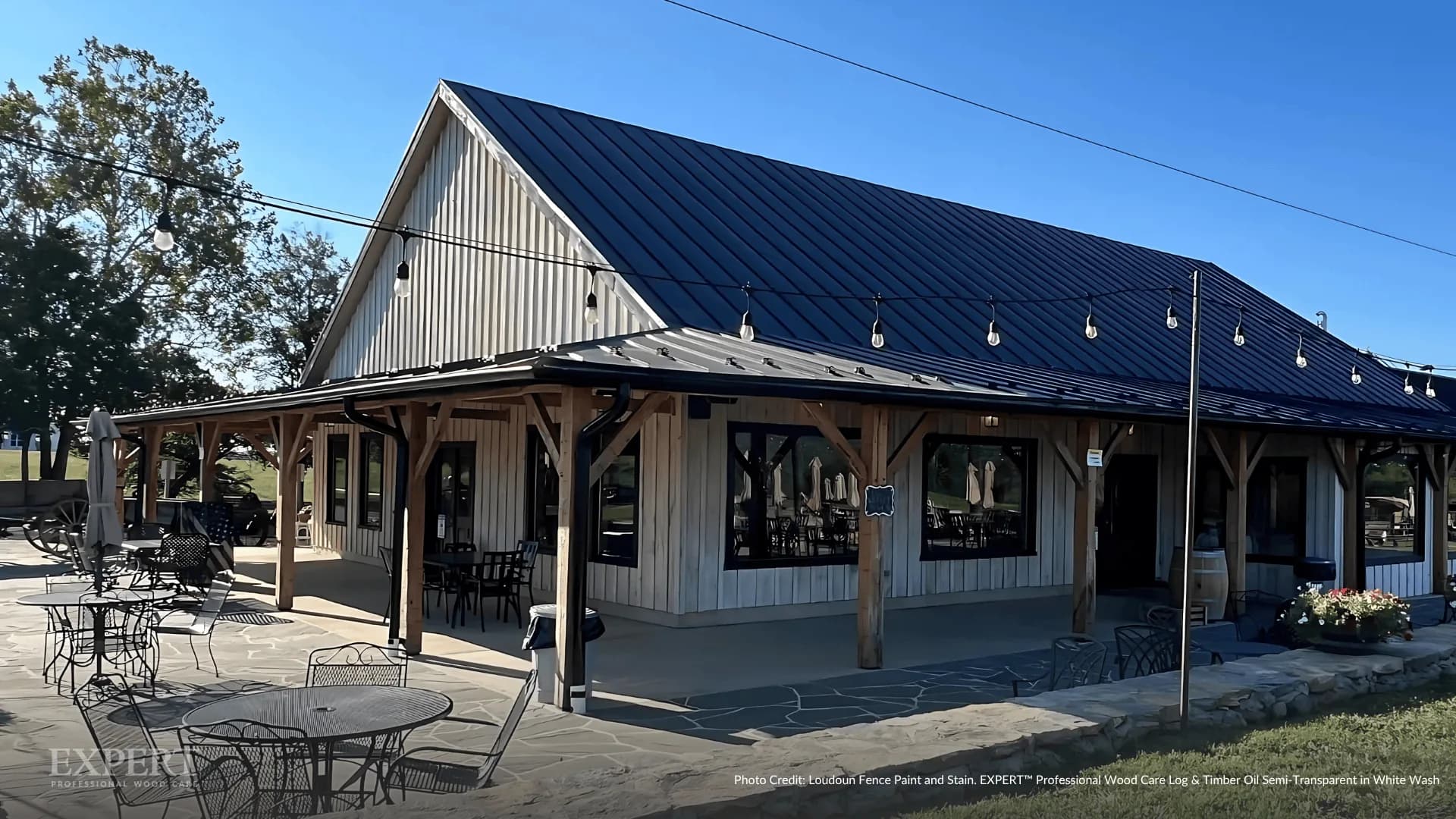
When evaluating a wood stain, color is often the first consideration.
After all, the finish selected will play a significant role in how a fence, deck, pergola, timber structure, or exterior siding project ultimately looks.
Yet the most informed decisions are rarely based on color alone.
A wood stain serves a much greater purpose than enhancing appearance. It influences how the wood responds to moisture, sunlight, seasonal movement, and the natural aging process. It affects maintenance requirements, long-term performance, and the overall longevity of the investment.
Whether you are a homeowner, contractor, builder, architect, or distributor, understanding what separates a professional-grade wood stain from a standard coating can help ensure the wood remains protected for years to come.
Look Beyond Surface Appearance
Many coatings look impressive immediately after application.
The true measure of performance, however, is how the finish behaves over time.
Exterior wood exists in a constantly changing environment. It expands and contracts with seasonal conditions, absorbs and releases moisture, and endures continuous exposure to ultraviolet radiation.
Because of this, appearance alone should never be the primary factor when evaluating a wood stain.
The best systems are designed to work with the wood—not against it.
A professional-grade stain should support the natural movement of the wood while helping protect it from the environmental conditions that gradually lead to deterioration.
Penetration Is One of the Most Important Characteristics
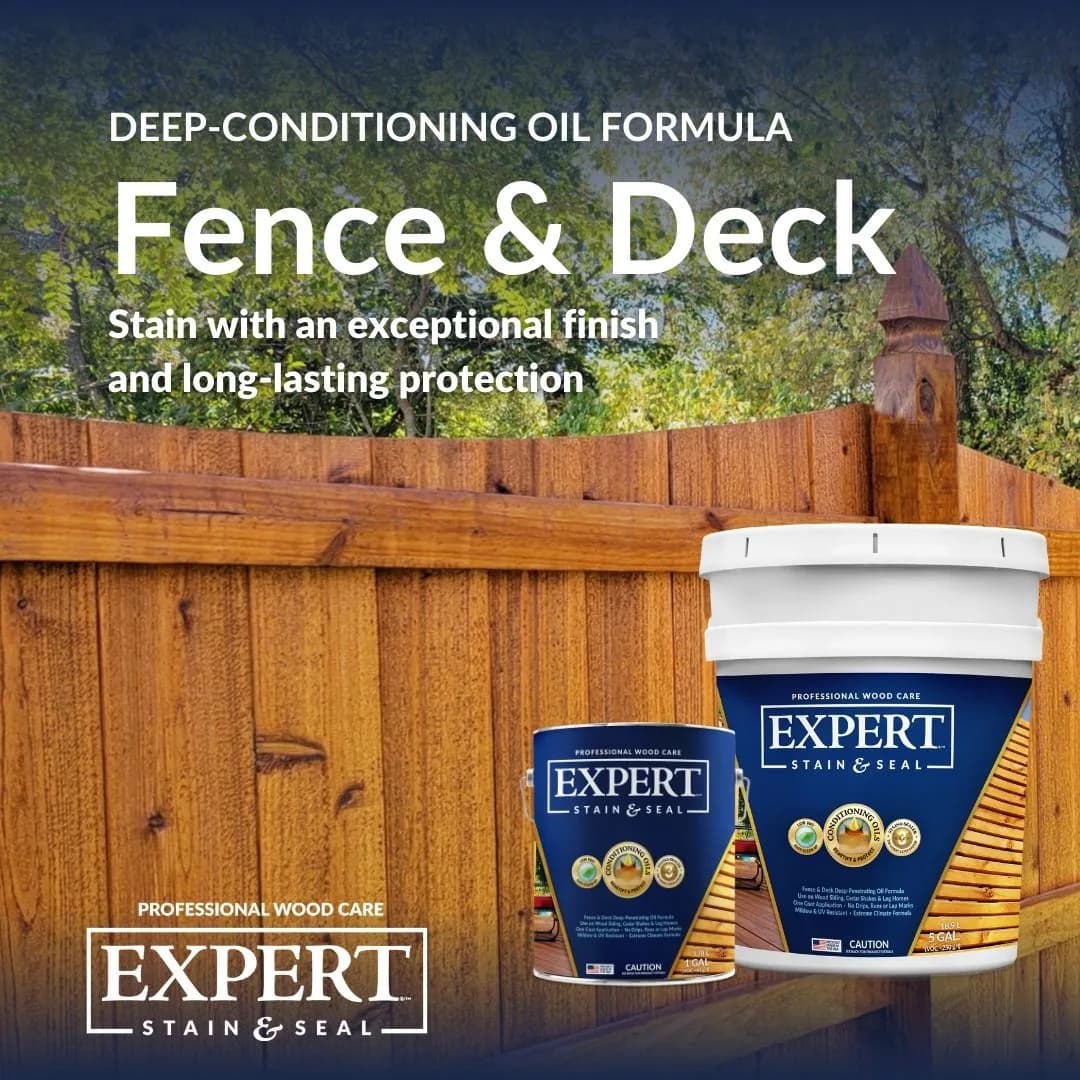
One of the defining characteristics of many professional-grade wood stains is their ability to penetrate beneath the surface.
Unlike coatings that rely primarily on a surface film, penetrating systems absorb into the wood fibers, helping provide protection from within.
This approach offers several advantages.
As wood naturally expands and contracts throughout changing seasons, a penetrating system is able to move with the substrate rather than creating a rigid layer that may become vulnerable to cracking, peeling, or separation over time.
For this reason, penetration remains one of the most important considerations when evaluating a wood protection system.
Durability Should Be Measured in Years, Not Seasons
Exterior wood is continuously challenged by:
- Sunlight
- Rain
- Humidity
- Temperature fluctuations
- Freeze-thaw cycles
- Wind-driven weather
Over time, these conditions can affect both the appearance and structural integrity of the wood.
A professional-grade stain should be formulated to help defend against these environmental stressors while maintaining the character of the surface beneath.
The goal is not simply to create a finish that looks attractive when first applied.
The goal is to preserve the wood through years of exposure.
Long-term durability remains one of the clearest indicators of a quality wood protection system.
Understand the Role of Pigment
One of the most misunderstood aspects of wood stains is pigment.
Many people assume pigment exists solely to create color.
In reality, pigment plays a significant role in protecting wood from ultraviolet degradation.
As sunlight reaches the wood surface, UV radiation begins breaking down lignin—the natural component responsible for helping bind wood fibers together.
Over time, this weathering process can contribute to fading, graying, surface deterioration, and reduced finish performance.
Pigment helps intercept a portion of that UV exposure before it reaches the wood itself.
This is why transparency selection is about more than appearance.
Greater pigment levels often contribute to improved color retention, enhanced UV protection, and extended maintenance intervals.
Understanding that relationship allows homeowners and professionals to make more informed finish selections based on both aesthetics and long-term performance goals.
Maintainability Matters
One of the most overlooked characteristics of a quality wood stain is how it ages.
No exterior finish lasts forever.
The question is not whether maintenance will eventually be required—it is how manageable that maintenance will be when the time comes.
The most successful wood protection systems are designed with long-term stewardship in mind.
Rather than creating maintenance challenges years down the road, they allow for practical upkeep that helps preserve both appearance and performance.
When evaluating a stain, it is worth considering not only how it will look on day one, but also how it will be maintained throughout the life of the structure.
Modern Formulation Standards Matter
Today’s wood coatings industry has evolved significantly. At EXPERT™ Professional Wood Care, we are committed to advancing the standard of exterior wood protection through thoughtfully formulated, deep-penetrating oil finishes designed to meet modern coating expectations. Our collection includes three transparency options and nineteen curated colors, allowing homeowners and professionals to balance appearance, performance, and long-term preservation with confidence.
Advances in formulation technology have reshaped what is possible within professional wood care.
Historically, many consumers associated oil-based products with higher VOC levels and stronger odors. Modern coating technology has changed that perception.
Today’s advanced formulations can provide deep penetration, long-term durability, and professional-grade performance while meeting recognized low-emission standards.
For many homeowners, contractors, and design professionals, these standards provide additional confidence when evaluating wood protection systems.
A Complete System Produces Better Results
Even the finest stain cannot compensate for improper preparation.
Long-term wood performance depends on a complete approach that includes:
- Proper cleaning
- Surface preparation
- Wood brightening and neutralization
- Stain application
- Ongoing maintenance
When these components work together, the result is a system that supports both appearance and longevity.
This is why experienced wood care professionals often view stain selection as only one piece of a much larger preservation strategy.
Final Thoughts
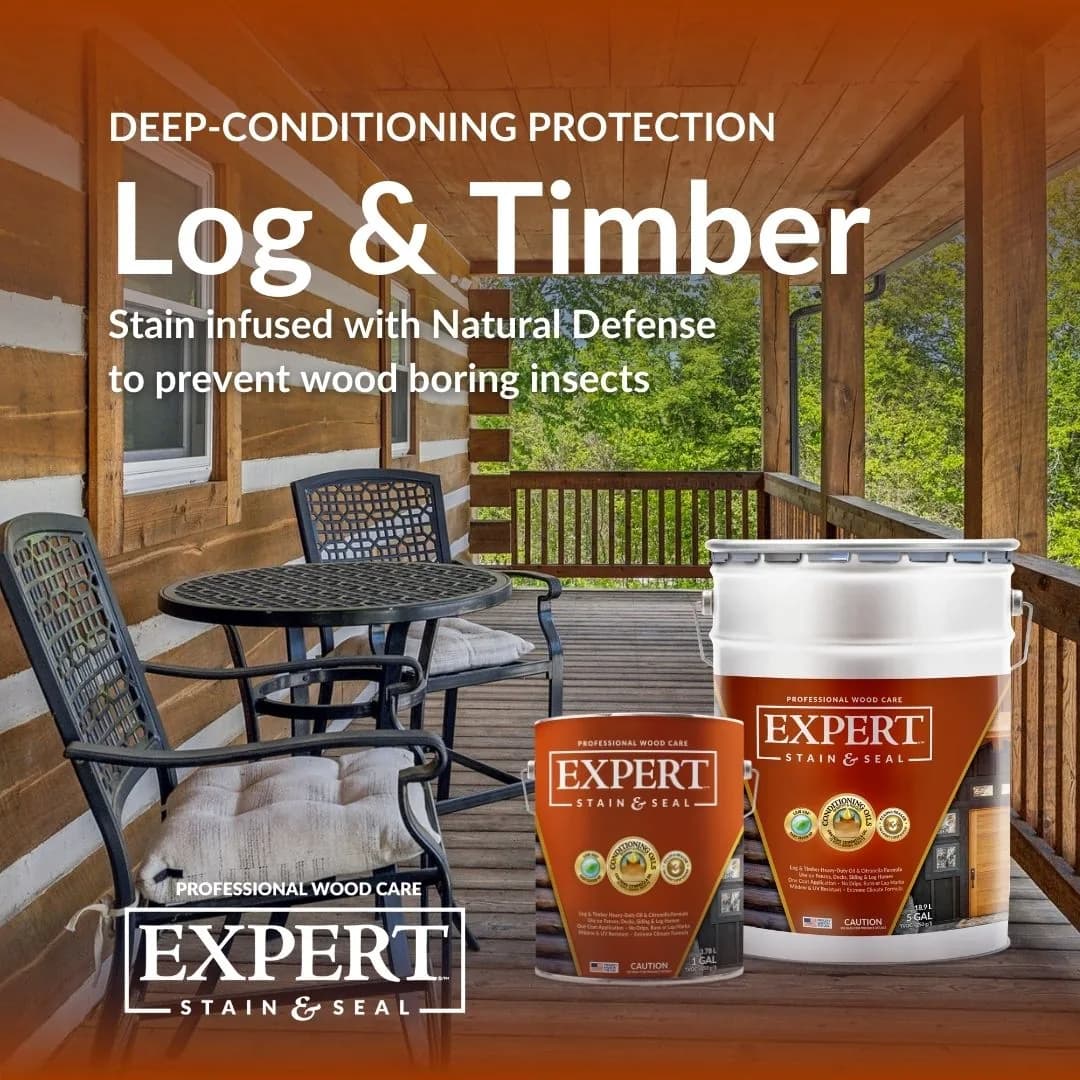
The best professional-grade wood stains offer far more than color.
They are designed to protect wood from environmental exposure, support natural wood movement, simplify maintenance, and preserve the character of the material over time.
When evaluating a stain, look beyond the label and consider the qualities that truly influence long-term performance:
- Penetration
- Durability
- UV protection
- Maintainability
- Formulation standards
- System compatibility
At EXPERT™ Professional Wood Care, we believe wood deserves more than temporary protection.
It deserves stewardship.
Because preserving the character, integrity, and performance of wood is ultimately about protecting the craftsmanship and investment behind every project.
Frequently Asked Questions
What makes a wood stain professional-grade?
A professional-grade wood stain is formulated to provide long-term protection, reliable performance, strong penetration, UV resistance, and manageable maintenance over the life of the structure.
Why is penetration important in a wood stain?
Penetrating stains absorb into the wood fibers rather than relying solely on a surface coating. This helps support natural wood movement while providing protection from within.
How do I know which stain transparency is right for my project?
The ideal transparency depends on the condition of the wood, desired appearance, maintenance expectations, and the level of UV protection required. Transparent, semi-transparent, and semi-solid finishes each serve different performance and aesthetic goals.
To learn more about EXPERT Professional Wood Care and our line of products, please visit expertwoodcare.com. You can also see our YouTube channel here.